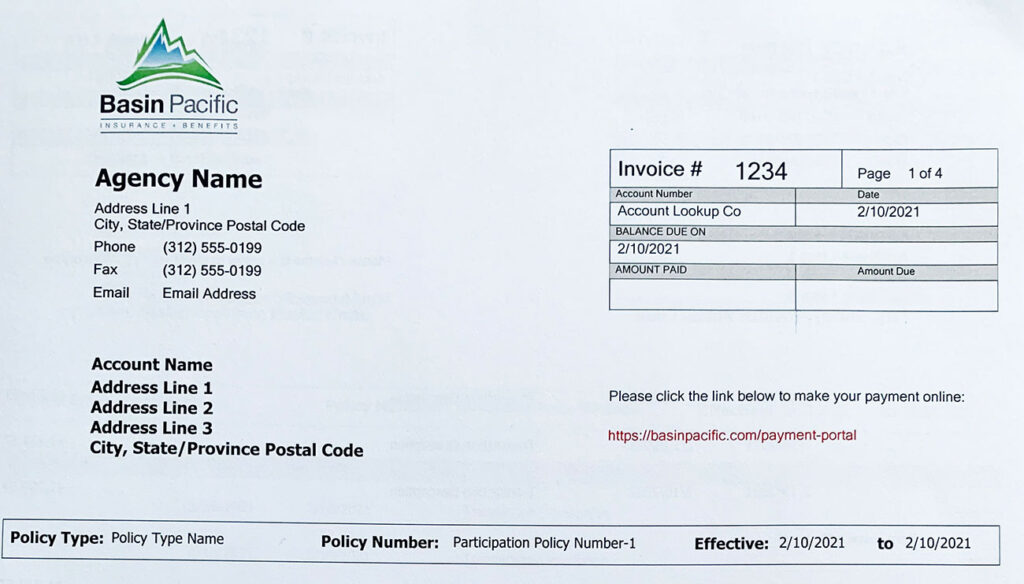
AI-Generated Phishing Can Happen to You
Planning a vacation should be exciting — not stressful. But as artificial intelligence becomes more advanced, scammers are finding new ways to target travelers and homeowners alike. From fake booking websites to AI-generated phishing emails and voice-cloning scams, today’s fraud tactics are becoming harder to spot. From our experts, you will learn practical AI vacation scam prevention tips to protect your home, personal information, and travel plans while away with guidance.
The good news? A few smart habits truly can help reduce your risk while you’re away from home.
3 Vacation Safety Tips That Actually Work
1. Verify bookings directly through official sources
AI-generated scam websites and fake vacation rentals can look incredibly convincing. Before paying for lodging, flights, or excursions, confirm reservations directly through the hotel, airline, or official booking platform.
If someone asks you to communicate or pay outside of a trusted platform, that’s a major red flag.
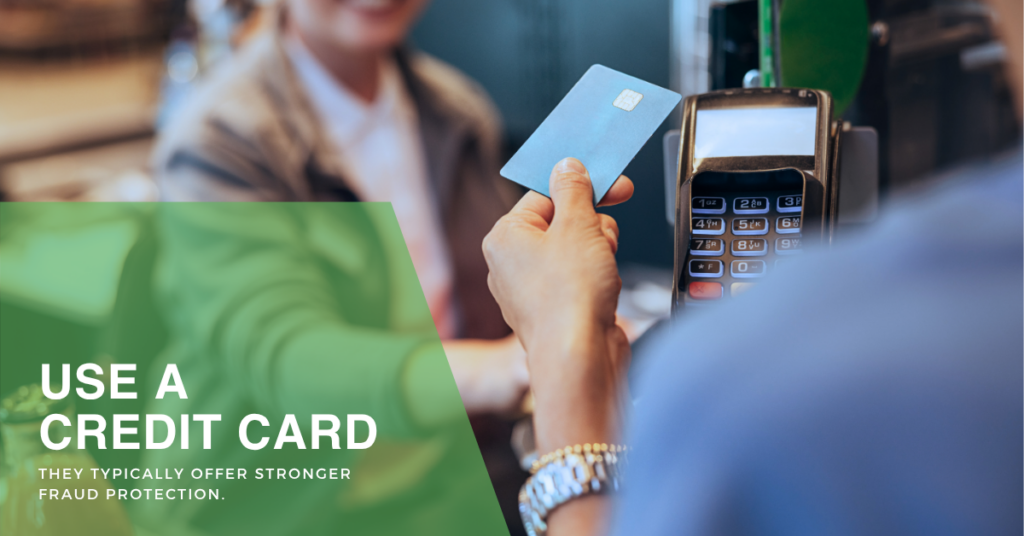
2. Use a credit card whenever possible
Credit cards typically offer stronger fraud protection than wire transfers, gift cards, payment apps, or cryptocurrency. If a transaction turns out to be fraudulent, recovering funds is often much easier through a credit card provider.
Experts continue to warn travelers against anyone requesting unusual payment methods.
3. Wait to post vacation photos until you return home
Sharing real-time travel updates may unintentionally alert scammers — or even burglars — that your home is vacant. AI tools can now gather information from public social media posts to create more believable phishing attempts and impersonation scams.
Consider saving those vacation highlights for after you’re safely back home.
3 Common Mistakes That Don’t Offer Real Protection
1. Trusting caller ID
Scammers can now spoof legitimate phone numbers and even use AI voice cloning technology. Just because a call appears to come from your bank, airline, or even a family member doesn’t guarantee it’s authentic.
When in doubt, hang up and call the official number directly.
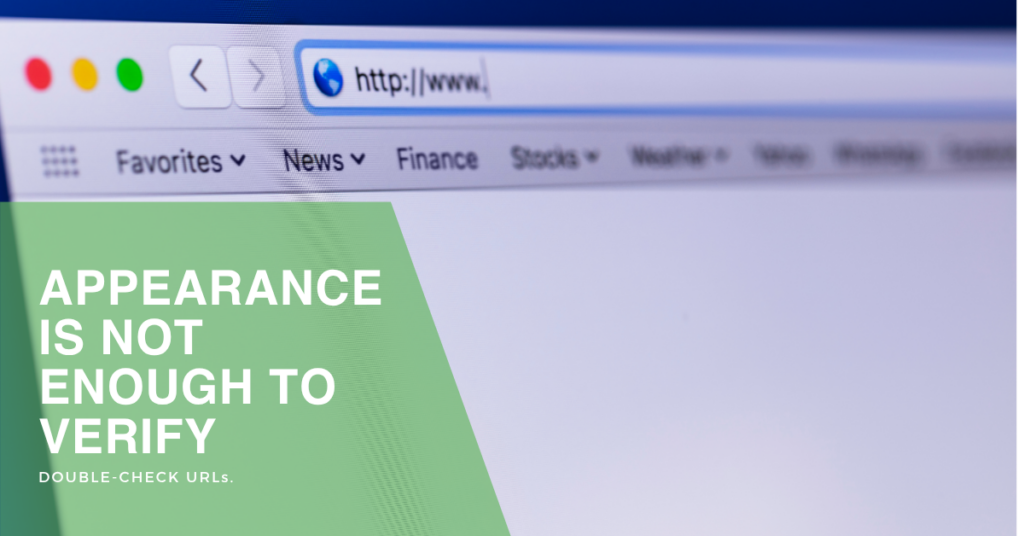
2. Assuming a professional-looking website is legitimate
Today’s scam websites often include polished graphics, realistic photos, and even fake reviews generated by AI. A convincing appearance alone is no longer enough to verify a business.
Always double-check URLs, reviews, and contact information before entering payment details.
3. Relying on public Wi-Fi for sensitive activity
Even password-protected hotel or airport Wi-Fi networks can expose users to cybersecurity risks. Avoid accessing banking information or entering sensitive passwords on public networks whenever possible.
Using secure connections and enabling multi-factor authentication can help add another layer of protection.
As technology evolves, so do the tactics scammers use.
Staying informed and taking a few preventative steps can go a long way toward protecting your finances, personal information, and peace of mind while traveling.
At Basin Pacific Insurance, we believe protecting what matters most starts with education, preparation, and trusted guidance. If you have questions about your homeowners insurance coverage or would like to review your policy, the team is always here to help.